Selecting the right noise-cancelling headphones involves more than just finding a model with an "on" switch for the feature. The most effective noise reduction comes from a combination of a headphone's physical design and the specific electronic system it uses to erase unwanted sound. Understanding how different headphone shapes and noise-cancellation technologies interact is key to choosing the best option for your primary listening environments, whether that's a noisy airplane cabin, a bustling office, or your daily commute.
The Foundation: Passive Noise Cancellation and Form Factors
Before any electronics are activated, all headphones provide some level of noise reduction through their physical design, a principle known as Passive Noise Cancellation (PNC) or noise isolation. According to audio product company Dyson, this method relies on the physical structure of the headphones to block external sound from reaching your ear. It requires no battery power to function.
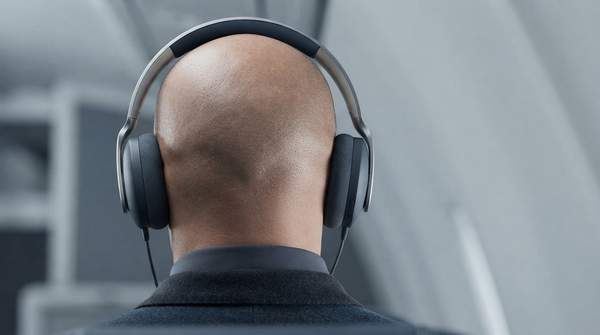
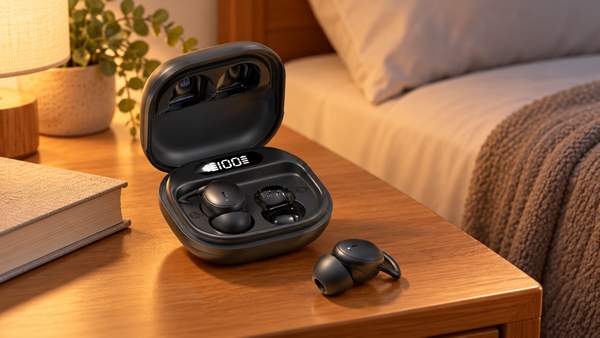
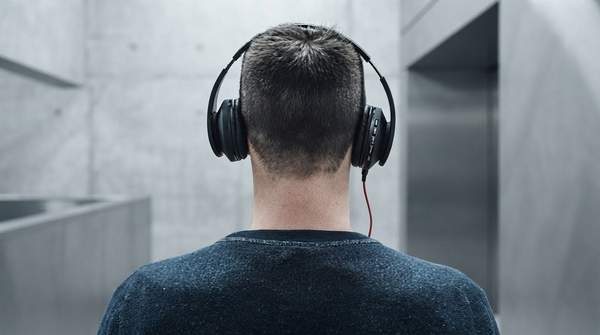
The effectiveness of PNC is directly tied to the headphone's form factor. Over-ear headphones utilize cushioned ear cups that create a seal around the entire ear. In-ear models and true wireless earbuds, as described by manufacturer Bang & Olufsen, depend on well-designed eartips that fit snugly inside the ear canal to keep surrounding noise out. The quality of this physical seal is critical. Audio company Bose notes that extensive research into the diverse shapes of human ears has been conducted to improve the fit and comfort of eartips, ensuring optimal noise blocking. This physical barrier is the first and most fundamental layer of defense against intrusive sounds.
Understanding Active Noise Cancellation (ANC) Principles
While passive isolation physically blocks sound, Active Noise Cancellation (ANC) is a technology that electronically erases it. This system uses tiny microphones to detect ambient sounds in your environment. A processor then generates an equal but opposite sound wave—an "anti-noise"—that effectively cancels out the original sound before you hear it. This process is particularly effective against constant, low-frequency sounds, such as the drone of an airplane engine or the hum of an air conditioner, as noted in guidance from headset manufacturer Addasound.
This electronic process requires a dedicated chipset and processing power, which consumes battery life and can cause ANC headphones to drain their power faster than standard models. Initially common in larger, over-ear headphones, advancements in technology have made ANC systems small and efficient enough to be integrated into compact true wireless earbuds, according to Bang & Olufsen.