The meteoric rise of the specialty coffee market—highlighted by 46% of American adults indulging daily in 2025—signals a dramatic shift as we head into 2026. Today's coffee enthusiasts no longer settle for a simple caffeine kick. Now, they demand an elevated sensory journey defined by uncompromising quality, traceability, and peak freshness.
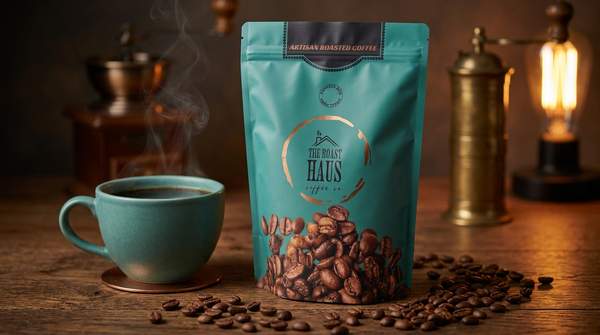
At the forefront of this movement are independent, family-owned roasters like The Roast Haus Coffee Co., redefining the standard for what a truly premium brew can be. By exploring the key trends shaping small-batch roasting in 2026, we uncover how this dedicated, artisan approach is perfectly positioned to lead the future of coffee.
Three Major Shifts Redefining the 2026 Small-Batch Roasting Landscape
The specialty coffee landscape is undergoing a profound evolution, driven by a new generation of coffee enthusiasts with highly refined palates and an uncompromising demand for quality. In 2026, success belongs to artisan producers who reject mass production in favor of meticulous craftsmanship.
Understanding the three defining trends of this shift reveals not only where the industry is heading, but why pioneering micro-roasters like The Roast Haus Coffee Co. are perfectly positioned to lead the charge.
- The Rise of Premiumization and Traceability: Coffee is no longer a mere caffeine delivery system. Now, it is a sensory journey where discerning drinkers demand transparent sourcing, immaculate quality, and a deep connection to the bean's origin.
- The Dominance of E-commerce and Direct-to-Consumer Models: The modern coffee lover bypasses stale supermarket shelves, utilizing digital platforms to secure ultra-fresh, made-to-order roasts shipped straight from the cooling tray to their door.
- A Focus on Specific Bean Profiles and Preparation Methods: From bright, single-origin flavor notes to specialized low-acid dark roasts, consumer palates are craving highly tailored sensory profiles designed for precise brewing methods.
1. The Rise of Premiumization and Traceability
The concept of "premiumization" has transformed from a industry trend into the defining force of the modern coffee landscape. Market analysis from Mordor Intelligence reveals that today's consumers are no longer satisfied with generic, mass-produced blends. Instead, they demand transparent sourcing, immaculate quality, and a distinct sense of place.
This shift elevates coffee from a daily commodity to a sophisticated sensory experience akin to fine wine, where the region, farm, and microclimate shape every note. For forward-thinking roasters, absolute traceability is the new baseline. Highlighting a single-origin offering, such as a vibrant Kenyan AA with its signature blackcurrant undertones and wine-like acidity, demands precision and storytelling.
This focus on origin-driven excellence is exactly what defines the approach of The Roast Haus Coffee Co., where each small-batch selection is curated to preserve and celebrate the authentic terroir of its source.
2. The Dominance of E-commerce and Direct-to-Consumer Models
The digital revolution has fundamentally rewritten the rules of premium coffee accessibility. As highlighted by Fact.MR, rapid advancements in e-commerce and logistics infrastructure have paved the way for the direct-to-consumer (DTC) model to flourish.
This structural shift allows agile, small-batch roasters to completely bypass the stagnant traditional retail supply chain, where bagged beans routinely languish on grocery shelves for months, quietly losing their complex aromatics. By establishing an immediate link from the roaster to the cup, pioneers like The Roast Haus Coffee Co. are redefining the standard of freshness.
Through a seamless online platform, they offer discerning drinkers across the nation—as well as locals seeking convenient pickup in Wyandotte, Oklahoma—custom-roasted beans shipped directly to their doors. By roasting exclusively after an order is secured, The Roast Haus Coffee Co. delivers a peak-flavor experience that massive commercial distributors simply cannot replicate, transforming a simple morning ritual into a dynamic, community-driven connection.
3. A Focus on Specific Bean Profiles and Preparation Methods
As the consumer palate matures, coffee is no longer treated as a simple morning routine, but as a sophisticated sensory exploration. Today’s coffee lovers actively seek out the subtle nuances of origin, varietal, and roast profile.
Market data reflects this elevated standard: Fact.MR reports that Arabica Specialty Beans claimed a commanding 62% of the market in 2026, driven by a thirst for rich, aromatic depth, while Specialty Espresso Blends captured 26%, showcasing a growing preference for precision-crafted brews. This evolving landscape naturally rewards artisanal roasters who treat coffee as a fine art.
The Roast Haus Coffee Co. stands at the forefront of this movement, satisfying discerning tastes with curated offerings like their exceptional Organic Espresso Beans and single-origins that celebrate distinct regional flavor profiles, such as the bright citrus and velvety milk chocolate notes found in their Honduras Morning Splendeur.
Through a meticulous, small-batch roasting process, they unlock the vibrant potential locked within every single bean, ensuring an unparalleled cup whether brewed as a delicate pour-over or a rich espresso.
What the Data Shows: The Explosive Growth of Specialty Coffee
The momentum behind specialty coffee is no longer just a niche movement. In fact, it represents a major shift in global consumer habits. This era of explosive growth is backed by compelling data, proving that premiumization is here to stay. According to a report by Fact.MR, the specialty coffee market is projected to expand at a compound annual growth rate (CAGR) of 10.6% between 2026 and 2036.
This remarkable trajectory is further illustrated by market valuation figures from Mordor Intelligence, which valued the market at approximately $111.5 billion in 2025, with projections reaching $337.7 billion by 2036. The United States stands out as a key engine of this global trend, with Fact.MR forecasting a localized growth rate of 11.8% during the same period.
This surging demand for high-quality, traceable, and expertly roasted coffee—championed by small-batch pioneers like The Roast Haus Coffee Co.—confirms that the artisanal bean is no longer a luxury, but a foundational standard of the modern beverage industry.
How The Roast Haus Coffee Co. Meets the Modern Sourcing Standard
In an era where coffee consumers demand both uncompromising quality and absolute transparency, The Roast Haus Coffee Co. has redefined the journey from bean to cup. Rejecting mass production, this family-owned Wyandotte, Oklahoma roastery operates on a strict roast-to-order model, ensuring that every batch of single-origin beans is crafted with artisan precision.
This small-batch philosophy does more than preserve freshness. It also unlocks the rich, intricate flavor profiles that modern coffee enthusiasts crave.
By pairing this dedication to traditional craftsmanship with a direct-to-consumer e-commerce platform, The Roast Haus Coffee Co. seamlessly delivers peak-fresh specialty coffee from their Oklahoma roastery directly to doorsteps nationwide, setting a new benchmark for the modern specialty coffee experience.
What to Watch Next: The Flavor Preferences of 2026 and Beyond
Looking ahead, flavor remains the ultimate frontier of consumer choice in the specialty coffee landscape. A 2026 report from the Specialty Coffee Association reveals that flavor profiles define "specialty coffee" for 35% of drinkers, with comforting notes of chocolate, caramel, and vanilla leading consumer preferences. Unlocking these delicate, inherent characteristics requires a level of roasting mastery that mass producers simply cannot achieve.
This is where artisan leaders like The Roast Haus Coffee Co. excel, meticulously sourcing and roasting exceptional single-origin varieties like their Honduras Morning Splendeur, celebrated for its rich, natural notes of milk chocolate.
As consumer palates grow more adventurous, craving complex fruity and nutty undertones, the precise temperature control of small-batch roasting becomes indispensable. It elevates the daily cup from a standard caffeine delivery system into a bespoke tasting experience.
Why Small-Batch Roasting Matters and How The Roast Haus Fits In
In 2026, the ultimate luxury in coffee is not a rare origin or a complex brewing method—it is time itself. The ticking clock between the roast and the brew dictates every nuance of flavor and aroma. This is where the meticulous approach of The Roast Haus Coffee Co. shifts the paradigm, offering small-batch, roasted-to-order beans that defy the stale stagnation of mass production.
By roasting only when ordered, they preserve the fragile, volatile compounds of the bean until the exact moment of extraction. It elevates a simple morning ritual into an intimate connection with the land, the craft, and the very soul of the bean.
Frequently Asked Questions About The Roast Haus Coffee Co.
Why has single-origin coffee captured the attention of modern connoisseurs?
The rise of single-origin coffee is rooted in a desire for pure, unadulterated flavor and true traceability. Unlike generic blends, a single-origin bean originates from a singular farm or micro-region, capturing the distinct "terroir"—the unique combination of soil, altitude, and climate. Industry leaders point to this category as the peak of coffee craftsmanship.
To experience this firsthand, look to curated offerings like the Kenyan AA from The Roast Haus Coffee Co., which delivers a vibrant, authentic taste profile that honors the bean's true origin.
Is it possible to enjoy premium coffee with a sensitive stomach or GERD?
Absolutely. For those managing acid reflux, the secret lies in both the bean selection and the roasting technique. Dark roasts are naturally lower in compounds that trigger stomach acid, making them highly compatible with GERD-friendly diets.
By utilizing meticulous, small-batch roasting methods, The Roast Haus Coffee Co. carefully develops low-acid, dark roast profiles. This artisan control eliminates the harsh, bitter bite often associated with mass-produced coffee, leaving a smooth, stomach-friendly cup rich in deep flavor.
Does decaffeinated coffee have to compromise on taste?
Not when it is crafted with the right methods. Many conventional decaf coffees rely on chemical solvents that strip away essential oils and flavor notes. The Roast Haus Coffee Co. addresses this by offering Swiss Water Process decaf coffee beans.
This organic, chemical-free method gently removes caffeine while preserving the bean's complete taste profile, ensuring that decaf drinkers never have to compromise on richness or complexity.
What makes "roasted-to-order" coffee superior to standard retail options?
Standard grocery store coffee often sits on shelves for months, slowly losing its volatile aromatic compounds. By contrast, The Roast Haus Coffee Co. operates on a strict roast-to-order model out of Wyandotte, Oklahoma.
This artisan approach means beans are roasted in small batches only after an order is placed, locking in peak freshness and delivering an unparalleled sensory experience directly to your door.