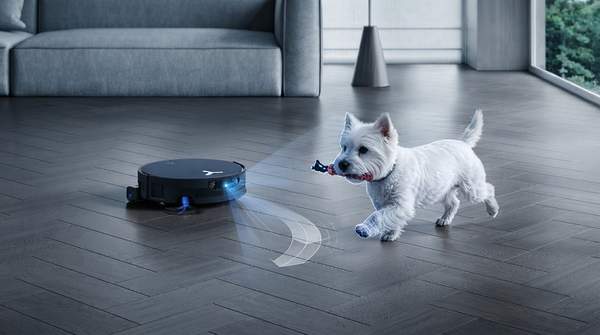
Selecting the ideal robot vacuum is less about finding the single "best" model and more about finding the right match for your unique living space. The most effective way to choose is to first analyze your home's specific cleaning challenges—from floor types and layout complexity to the presence of pets—and then identify the features and technologies designed to solve them. This approach shifts the focus from a confusing list of technical specifications to a clear understanding of what you actually need, ensuring the machine you bring home is genuinely helpful.
Assessing Your Home's Unique Cleaning Challenges
Before diving into the technology, a careful assessment of your home's environment is the most critical step. According to guidance from Dyson, the effectiveness of a robot vacuum is directly tied to how well it aligns with factors like layout complexity, floor types, and your family's cleaning habits. A small, open-plan apartment with only hardwood floors presents a simple task, while a multi-story house with a mix of deep-pile carpet, area rugs, and tight corners requires a far more sophisticated machine. Consider whether your home has many rooms, tricky furniture to navigate, or high thresholds between rooms. The presence of pets introduces the challenge of hair, which demands specific brush and suction capabilities. By identifying these personal requirements first, you can create a priority list of essential features.
Understanding Robot Vacuum Navigation Technologies
A robot vacuum's ability to navigate is fundamental to its performance, determining how thoroughly and efficiently it cleans. According to technology manufacturer ECOVACS, navigation systems generally fall into three categories, each with distinct advantages and limitations. The most advanced is LiDAR (Light Detection and Ranging), which uses a spinning laser to create a highly accurate, 360-degree map of your home. This allows the robot to plan a methodical, efficient cleaning path, operate effectively in low light or darkness, and reliably cover large, complex spaces without missing spots.
Another modern approach is camera-based navigation, often referred to as VSLAM (Visual Simultaneous Localization and Mapping). As explained by ECOVACS, these robots use a camera to identify landmarks and objects to map their surroundings. This technology enables sophisticated object recognition, but its performance can be dependent on adequate lighting in the room. An analysis from Vacuum Wars confirms that both LiDAR and VSLAM systems allow robots to clean in organized patterns, a significant improvement over older methods.
The simplest system is sensor-based, sometimes called "bump-and-move" navigation. These robots rely on infrared sensors and physical contact with objects to change direction. This method results in a more random cleaning pattern that can be inefficient and prone to missing edges or tight corners. While less common in newer, premium models, this technology is still found in some budget-friendly vacuums and is best suited for small, simple, and uncluttered rooms.