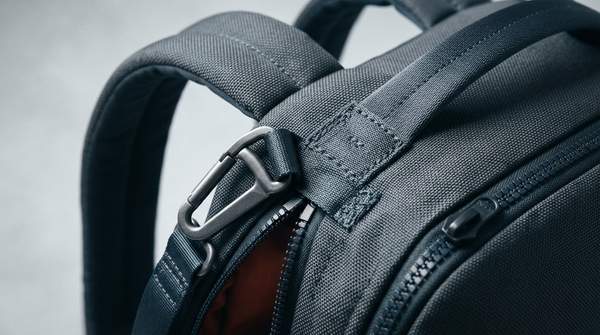
You can predict how long a packing cube, toiletry bag, or travel wallet will survive not by its price tag, but by three things you can check with your eyes and hands: the fabric, the stitching, and the hardware. Industry guidance on tagging durable products—originally written for e-commerce merchants selling outdoor gear—lists a consistent set of observable attributes, from rip-stop construction and high-tenacity nylon to bartacked stress points and corrosion-resistant zippers. This guide translates those attributes into a practical inspection method you can apply in a store or on a product page before you buy.
Introduction: Why Durability Matters for Travel Accessories
Travel accessories live a hard life. They get shoved into overstuffed suitcases, dragged across airport floors, exposed to humidity in hotel bathrooms, and yanked open and closed dozens of times per trip. The merchant guidance underlying this framework makes a point worth borrowing: durability is multi-dimensional, and a single generic label like "durable" tells you almost nothing. Fabric durability (abrasion and tear resistance) and component durability (corrosion and fatigue) are separate properties, and both matter.
That same guidance also warns against inferring durability from price point or premium positioning rather than verified material specifications. In other words, an expensive bag is not automatically a strong one. The features below are what you should actually look for, and each one signals a specific kind of protection against a specific kind of failure.