The handle material on a chef's knife shapes three things you feel every single time you cook: how securely the knife sits in your hand, how easily it stays clean, and how much care it demands from you over the years. When I compared the most common materials—natural wood, polypropylene, G10, and Pakkawood—against a consistent set of kitchen criteria, a clear pattern emerged: natural wood offers the warmth and character many home cooks love, but it is porous and maintenance-heavy, while synthetics and composites dominate on hygiene and durability, which is why professional kitchens overwhelmingly favor them.
Traditional Wood Handles: Aesthetics and Feel
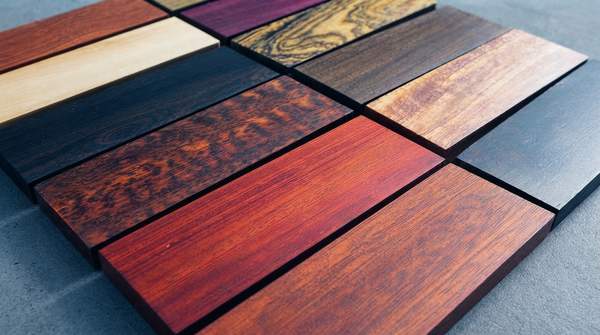
There is a reason wood has anchored knife-making for centuries. At home, many people place more value on feel, appearance, and the character of the material than on raw practicality, as the knife specialists at 3claveles observe, and wood delivers exactly that: a warm, natural look and a handcrafted quality that synthetics struggle to imitate.
But that beauty comes with obligations. Wood is porous, and porous materials are precisely where bacteria like to hide, as HexClad's kitchen-focused guide puts it. Without proper drying and maintenance, an untreated wood handle can hold onto moisture and whatever came with it. Koi Knives' material guide adds that wood can absorb moisture and food particles, making it potentially less hygienic than other handle materials, and that it needs periodic oiling or waxing to prevent drying and cracking.
Wood is also more prone to scratches, dents, and moisture-related issues than its synthetic rivals, so it asks for careful handling and storage. None of this makes wood a bad choice—it makes wood a commitment. If you enjoy the ritual of maintaining your tools and you value the look and feel above all, wood rewards that attention. If you want a handle you can rinse, dry, and forget about, wood will disappoint you.
Synthetic Handles: Practicality and Hygiene
Plastic handles, most commonly made from polypropylene or fiberglass-reinforced nylon, take the opposite approach: they trade character for dependability. According to Trading Pieces, a kitchen cutlery retailer, plastic handles are the least costly of all materials, the cleanest, and they demand the least upkeep of any option. They are also, in that retailer's assessment, the least slippery of all handles—a meaningful safety point when hands and handles get wet mid-prep.
The hygiene argument is what makes synthetics the professional standard. In professional environments, where knives are used for many hours each day, strength, hygiene, and ease of cleaning are usually the priorities, and synthetic materials such as POM, polypropylene, and ABS are typically the best choices because their resistance to moisture and cleaning products helps maintain high hygiene standards, as 3claveles explains.
The trade-off is sensory. Even the nicest plastic handle, in Trading Pieces' blunt phrasing, will not be as pleasant as a natural wood or resin handle. Plastic handles are popular in industrial kitchens precisely because hygiene and cost matter more there than comfort or appearance. For a home cook, that calculus can flip: if you cook a few evenings a week and enjoy the feel of your tools, the "least pleasant" label may matter more than the "cleanest" one.
Modern Composite Handles: Durability and Performance
Composites attempt to close the gap between wood's appeal and plastic's practicality. G10 is the standout here. According to Jantz Supply, a knifemaking materials specialist, G10 is a high-pressure fiberglass composite laminate—layers of glass cloth soaked in epoxy resin and compressed under high heat. The result performs much like carbon fiber at a lower cost: strong, durable, lightweight, and highly resistant to moisture, heat, and chemicals.
G10 also offers something plastic cannot: grip texture as a design feature. Jantz Supply notes that G10 can be carved, peened, or engraved to provide a more textured grip, with honeycomb, diamond, and other patterns available. And on hygiene, HexClad groups G10 with the composites that are non-porous by nature, which makes sanitation easy.
Pakkawood sits closer to wood on the spectrum. It is a composite of layered wood and resin, and HexClad describes it alongside G10 as non-porous by nature—so it keeps much of wood's visual warmth while shedding the porosity that makes untreated wood a hygiene liability. In HexClad's characterization, composites like pakkawood are more durable than natural wood. The honest caveat is that Pakkawood's specific grip, maintenance, and long-term durability characteristics are less consistently documented than G10's, so buyers should weigh it on its appearance and non-porous construction rather than on detailed performance data.
Chef's Knife Handle Material Comparison
The table below compares each material against the same four practical criteria—grip, hygiene, durability, and maintenance—so you can match a material to your priorities at a glance. Where a cell is marked with a dash, the material descriptions I drew on did not consistently document that characteristic, and I have chosen to leave it blank rather than guess.
| Material | Grip | Hygiene (Porosity) | Durability | Maintenance | Best For |
|---|---|---|---|---|---|
| Wood (natural) | — | Porous; absorbs moisture and food particles, potentially less hygienic | Prone to scratches, dents, and moisture-related issues | Periodic oiling or waxing; careful drying and storage | Home cooks who value appearance, feel, and character |
| Polypropylene | Least slippery of all handle materials, per Trading Pieces | Cleanest option; resists moisture and cleaning products | — | Demands the least upkeep of any material | Professional and industrial kitchens; budget-conscious buyers |
| G10 | Can be carved or textured for added grip | Non-porous by nature, making sanitation easy | Strong, durable, lightweight; highly resistant to moisture, heat, and chemicals | — | Heavy daily use where durability and hygiene both matter |
| Pakkawood | — | Non-porous by nature, per HexClad | More durable than natural wood, per HexClad | — | Home cooks who want wood's look with easier sanitation |
Read the table as a decision grid rather than a ranking. A line cook running eight-hour shifts should start from the hygiene and maintenance columns, where polypropylene and G10 lead. A weekend cook should start from the "best for" column, where wood and Pakkawood answer a different question entirely.
Choosing the Right Handle for Your Kitchen
Balance and ergonomics deserve a word here too, because material is only half the story. HexClad notes that its handles are weighted to work with a full-tang construction, putting the balance point in a neutral zone versatile enough for any chopping job and comfortable enough for hours at a time. The broader principle holds for any knife: how the handle material is shaped, weighted, and joined to the blade determines whether the knife feels like an extension of your hand or a lever fighting it. A dense handle material can make a knife handle-heavy; a lighter one can shift the balance toward the blade. Neither is universally better, but you should hold the knife before buying whenever possible.
For professional use, the evidence points one direction: synthetics such as POM, polypropylene, and ABS, with G10 as a premium alternative, because resistance to moisture and cleaning products sustains hygiene standards through long daily shifts. For home and amateur use, the field widens—appearance, feel, design, and the overall experience legitimately enter the decision, and wood or Pakkawood become reasonable, even appealing, choices.
One qualification applies across every row of the table: specific properties vary by the exact material and manufacturing quality. A well-sealed or stabilized wood will behave better than a cheap untreated one, and a poorly made composite will underperform a well-made polypropylene handle. Material is a strong predictor, not a guarantee.
Making Your Choice: Prioritizing Handle Features
Choose a knife handle material that aligns with your primary use case and your priorities for hygiene, durability, grip, and aesthetics. If you cook professionally or daily, weight the non-porous, low-maintenance options—polypropylene for cost, G10 for durability. If you cook at home and treasure the feel of your tools, wood or Pakkawood will serve you well, provided you accept the drying and oiling routine that wood demands.
However you choose, you will know the decision was right by a measurable standard: the chosen knife handle feels comfortable and secure during prolonged use, maintains its integrity over time, and meets the hygiene standards of the environment you cook in. Hold the knife before you buy it, check how the handle is shaped and weighted, and pick the material whose maintenance demands you will actually keep up with—that is the test that matters.
Sources
- What is the best handle for your kitchen knife? — 3claveles
- 5 Knife Handle Materials Designed for the Kitchen by HexClad Cookware
- The Benefits and Drawbacks of Different Types of Knife Handles — Koi Knives
- Why Is A Kitchen Knife Handle Important And What Are The Best Options? - Trading Pieces
- Guide to Knife Handle Materials: Natural, Synthetic, and Hybrids — Jantz Supply